Short-term Digital Marketing Courses That Actually Get Job Seekers Hired


Short-term digital marketing courses give job seekers a direct path into one of India’s fastest-growing employment sectors, often in as little as 8 to 16 weeks. With over 900,000 new digital marketing jobs created in India in 2024 alone — outpacing IT, BPO, banking, and retail combined — the demand for trained professionals has never been stronger (IndiaSkills 2024 Labour Trend Survey). For anyone looking to pivot careers or land a first role, these courses offer something rare: a genuine return on a modest investment of time and money.
The numbers tell a clear story. India’s digital marketing industry hit ₹539 billion in 2024, a 19.7% jump from the previous year, and it’s projected to exceed ₹700 billion by 2026 (Lurnable 2024 Report). That growth needs people. Trained people. And employers aren’t waiting around.
Why Are Short-term Courses Better Than a Full Degree for Career Changers?
For most job seekers, a short-term course outperforms a traditional degree on three fronts: speed, relevance, and cost. A three-year degree teaches theory across semesters. A focused 12-week programme teaches the exact skills hiring managers screen for right now — SEO, paid media, analytics, content strategy.
This matters because the industry moves fast. LinkedIn’s 2025 data shows digital marketing roles in India grew 18% year-over-year, outpacing most other professional sectors. The Economic Times projects digital marketing job vacancies will increase by a further 25% by the end of 2025. Employers need candidates who can step in and contribute, not study for another two years.
Fresher salaries reflect this urgency. According to the Kraftshala Digital Marketing Hiring Trends Report 2024, entry-level digital marketing professionals earn between ₹5 and ₹9 LPA, with mid-level roles commanding ₹10 to ₹20 LPA. That’s a meaningful income within months of completing a course.
What Should a Good Short-term Digital Marketing Course Cover?
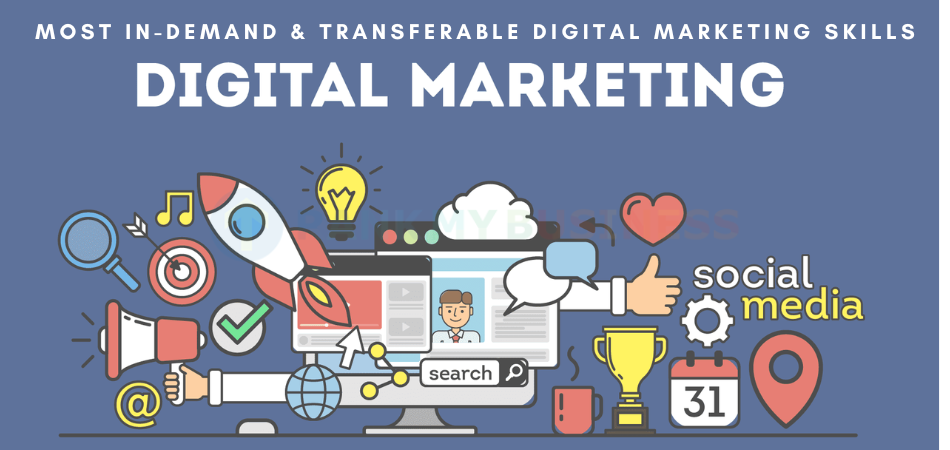
A worthwhile programme covers the core disciplines employers actually hire for: search engine optimisation, pay-per-click advertising, social media marketing, email marketing, content marketing, and web analytics. The best courses also include hands-on projects — live campaigns, real budgets, actual client briefs.
Look for programmes that teach Google Ads, Meta Ads Manager, Google Analytics 4, and at least one email platform. These aren’t optional extras. They’re table stakes. Agencies accounted for 60% of marketing roles in 2024, and agency work demands tool proficiency from day one (Kraftshala Report 2024).
Certification matters too, though not all certifications carry equal weight. Google’s own free certifications (through Google Skillshop) are widely recognised and worth completing alongside any paid course. HubSpot Academy and Meta Blueprint offer similar credibility at no cost.
Which Cities and Formats Offer the Best Opportunities?
Bengaluru, Mumbai, and Delhi dominate India’s digital marketing hiring, accounting for 67% of all roles in 2024 (Kraftshala Report 2024). Bengaluru led on salary competitiveness, with 28% of roles in the city offering higher CTCs than other locations.
Here’s what catches some job seekers off guard: 93% of marketing roles last year were either in-office or hybrid. Only 7% were fully remote. So while online courses offer flexibility during the learning phase, candidates should be prepared for in-person work once hired.
That said, online and hybrid course formats remain the most practical option for job seekers balancing existing commitments. Many reputable digital marketing courses in India now run evening or weekend batches specifically for working professionals and career changers.
How Quickly Can Job Seekers Expect Results After Completing a Course?
Most graduates from focused short-term programmes begin applying within a week of completion, and many secure interviews within the first month. The hiring pipeline is active. Over 2 million professionals now work in digital marketing roles across India, and the sector is growing at 25% year-over-year — compared to 12% for IT and software (IndiaSkills 2024 Labour Trend Survey).
One practical advantage: digital marketing portfolios are easy to build during a course. A candidate who can show a real Google Ads campaign they managed, complete with performance data, stands out far more than someone with only theoretical knowledge.
Over 80% of marketing roles required English language fluency as a significant hiring criterion, so job seekers should factor communication skills into their preparation alongside technical training.
What Does the Future Look Like for Digital Marketing Careers in India?
The trajectory points firmly upward. India’s digital advertising market is projected to reach $35 billion by 2030, growing at a 29% CAGR (GrowWithDigitalExperts 2024 Study). Industry experts predict 25 to 30% annual growth in job creation over the next five years. With over 5,000 institutes now offering digital marketing certifications across India, the ecosystem has matured — but demand still outstrips supply.
The global picture reinforces this. In the US, 376,200 digital marketing job postings appeared in 2025 alone, and the U.S. Bureau of Labor Statistics projects 6% annual job growth through 2032 — above the national average. Unemployment rates for marketing professionals sit between 3.3% and 3.8%, well below the 4.4% national average. These aren’t India-specific figures, but they confirm a worldwide pattern.
For job seekers weighing their options, the signal is consistent across every data source: trained digital marketers get hired.
Frequently Asked Questions
How long do short-term digital marketing courses typically take?
Most reputable short-term digital marketing courses run between 8 and 16 weeks. Some intensive bootcamp formats compress this into 4 to 6 weeks with daily sessions. The right duration depends on whether you’re studying full-time or alongside other commitments.
Are digital marketing courses in India worth the investment for freshers?
Yes. Entry-level digital marketing salaries in India range from ₹5 to ₹9 LPA according to the Kraftshala 2024 report, and over 900,000 new roles were created in 2024 alone. The cost of a short-term course is typically recovered within the first few months of employment.
Do I need a marketing degree to get into digital marketing?
No formal marketing degree is required for most entry-level digital marketing positions. Employers prioritise demonstrable skills and certifications — Google Ads, Meta Blueprint, HubSpot — over academic qualifications. A strong portfolio of real campaign work carries more weight than a degree transcript.
Which digital marketing skills are most in demand for job seekers in 2025?
SEO, paid media (Google Ads and Meta Ads), content marketing, and data analytics remain the most sought-after skills. Proficiency in Google Analytics 4 is increasingly non-negotiable, and employers value candidates who can interpret data and optimise campaigns independently.
Can I learn digital marketing online, or do I need classroom training?
Both formats work. Online courses offer scheduling flexibility, while classroom programmes provide structured accountability and networking opportunities. Given that 93% of marketing roles are in-office or hybrid, building in-person professional connections during training can give job seekers a meaningful advantage.