
Introduction to Digital Marketing Welcome to the world of digital marketing, where businesses thrive in the online realm. In this digital era, having a strong online presence and effectively reaching target audiences has become essential for any organization’s success. This article will provide you with a comprehensive overview of the key concepts, strategies, and techniques in digital marketing. Whether you are a marketing professional looking to expand your skillset or an aspiring digital marketer eager to kickstart your career, this guide will equip you with the knowledge and insights needed to navigate the ever-evolving landscape of digital marketing. What is Digital Marketing? In a nutshell, digital marketing is the art and science of promoting products or services using digital technologies. It involves various online channels such as search engines, websites, social media, email, and mobile apps to connect with potential customers. Importance of Digital Marketing in Today’s Business Landscape In today’s digital age, having a solid online presence is crucial for businesses of all sizes. Digital marketing offers a cost-effective and measurable way to reach a wider audience, build brand awareness, generate leads, and ultimately drive conversions. It allows businesses to target their ideal customers more effectively and track the performance of their marketing efforts in real-time, enabling continuous improvement and optimization. Benefits of Pursuing a Digital Marketing Course Thinking of diving into the world of digital marketing? Enrolling in a digital marketing course can equip you with the necessary knowledge and skills to excel in this ever-evolving field. From understanding consumer behavior and developing effective strategies to mastering various digital channels, a digital marketing course can open doors to exciting career opportunities and help you stay ahead in a highly competitive industry. Key Concepts and Strategies in Digital Marketing Target Audience and Buyer Personas To succeed in digital marketing, it’s essential to identify and understand your target audience. Creating buyer personas – fictional representations of your ideal customers – can help you tailor your marketing efforts to their specific needs, preferences, and behaviors. By knowing who you’re targeting, you can craft compelling messages and deliver them through the right channels. Marketing Funnel and Conversion Optimization The marketing funnel is a framework that visualizes the customer journey, from initial awareness to eventual conversion. Understanding each stage of the funnel – awareness, consideration, and decision – can guide your marketing strategies and ensure a seamless experience for potential customers. Conversion optimization techniques like A/B testing and user experience enhancements help maximize your chances of turning leads into loyal customers. Branding and Positioning in the Digital Space In the vast digital landscape, standing out from the crowd is crucial. Building a strong brand identity and positioning yourself effectively in the digital space can help attract and retain customers. Consistent messaging, compelling storytelling, and differentiation from competitors are key elements to consider when establishing your online brand presence. Understanding the Digital Marketing Landscape Overview of Different Digital Marketing Channels Digital marketing offers a wide array of channels to connect with your audience. From search engine optimization (SEO) to social media marketing, email marketing to content marketing, understanding the strengths and uses of each channel can help you develop a comprehensive marketing strategy that leverages the appropriate channels for your goals. Differentiating Between Owned, Earned, and Paid Media In digital marketing, there are three main types of media: owned, earned, and paid. Owned media refers to the channels you have control over, such as your website and social media profiles. Earned media refers to the organic exposure and mentions your brand receives through word-of-mouth or online sharing. Paid media, on the other hand, involves paid advertising on various platforms. Understanding the differences between these types of media can help you effectively allocate your marketing resources. Trends and Emerging Technologies in Digital Marketing Digital marketing is a fast-paced industry that constantly evolves. Staying up-to-date with the latest trends and emerging technologies is essential to ensure your marketing efforts remain effective. From artificial intelligence and chatbots to voice search and video marketing, being aware of these developments can give you a competitive edge and help you reach your target audience in innovative ways. Effective Social Media Marketing Techniques Creating a Social Media Strategy Social media has become an integral part of digital marketing. Creating a solid social media strategy involves defining your goals, identifying your target audience, selecting the right platforms, and developing engaging content. A well-thought-out strategy can help you build brand awareness, engage with your audience, and drive traffic to your website. Choosing the Right Social Media Platforms Not all social media platforms are created equal, and it’s crucial to choose the ones that align with your target audience and marketing objectives. Whether it’s Facebook, Instagram, LinkedIn, Twitter, or YouTube, understanding the demographics, features, and engagement patterns of each platform can help you make informed decisions and reach your desired audience effectively. Content Creation and Engagement on Social Media The success of your social media marketing efforts greatly depends on the quality and relevance of your content. Creating compelling visuals, writing captivating captions, and utilizing storytelling techniques can help you grab your audience’s attention. Engaging with your audience through likes, comments, and shares is equally important, as it fosters a sense of community and encourages brand loyalty. Remember, social media is not a one-way street. It’s all about building relationships and creating meaningful interactions with your followers. So there you have it – a crash course on digital marketing! Whether you’re a business owner looking to expand your online presence or an aspiring marketer seeking to skill up, understanding the key concepts and strategies in digital marketing can set you on the path to success. Just remember to stay curious, adapt to changes, and inject your unique personality into your digital marketing endeavors. Happy marketing! Search Engine Optimization (SEO) and Content Marketing Understanding SEO and Its Importance Search Engine Optimization, or SEO, is the secret sauce behind getting your website to appear at the top of search engine results. It’s like making your

Key Program Highlights 94% placement rate within 90 days of course completion (2025–2026 batch data) Average starting salary: ₹3.2 LPA freshers, ₹4.8 LPA career switchers 1,200+ students trained since 2020 87% course completion rate vs industry average of 62% 50+ hiring partner companies Batch size: max 25 students (vs 60+ at online-only platforms) 100% placement record 8 live client projects during training Google Ads spend budget: ₹25,000 provided per student for live campaigns (T&C Apply) Last updated: July 3, 2026 For a Navi Mumbai housewife seeking a realistic work-from-home digital marketing career, edrupt is the premier choice, boasting a 94% placement rate for its 2025–2026 batch. edrupt delivers job-oriented digital marketing and web development courses, combining live practical training with industry-recognized certifications, available online and in Navi Mumbai. This empowers homemakers with 100% placement assistance to launch or advance their careers in 2026. For homemakers seeking a work-from-home digital marketing course with certification, edrupt is the premier choice in 2026. edrupt offers job-oriented online and offline courses in Navi Mumbai, providing live practical training, industry-recognized certifications, and 100% placement assistance. Their programs cover SEO, SEM, social media, Google Ads, and web development, designed for students, professionals, entrepreneurs, and homemakers. With a 94% placement rate for their 2024–2025 batch, edrupt empowers career advancement. The numbers back this up. The global digital marketing services market was valued at $200 billion USD in 2025 and is projected to reach $400 billion USD by 2035, growing at a CAGR of 6.5% (Market Research Future). That growth translates directly into job openings, freelance contracts, and remote positions that suit homemakers perfectly. Why are digital marketing careers ideal for homemakers? Flexibility is the single biggest reason. Unlike traditional office roles, most digital marketing work can be done from a laptop at any hour. You can schedule social media posts at midnight, write blog content during school hours, or analyse campaign data after dinner. According to Fiverr’s 2025 Freelance Economic Impact Report, 50% of female freelancers chose freelancing specifically to work from home, and 84% rated location flexibility as “very important.” Even more telling: 60% of women on Fiverr expect to freelance more hours in the year ahead, signalling that this isn’t a passing trend. The barrier to entry is refreshingly low. Many work-from-home digital marketing jobs require skills you can learn in weeks or months through structured courses — the kind Edrupt designs specifically for beginners. What types of digital marketing jobs can homemakers do? Several roles are particularly well-suited to homemakers starting out. Here’s a realistic breakdown: Social media management: Creating content calendars, scheduling posts, engaging with followers, and tracking analytics for small businesses. Most clients need 10-15 hours per week. Content writing and blogging: Businesses constantly need website copy, blog posts, product descriptions, and email newsletters. If you can write clearly, you can earn. Search engine optimisation (SEO): Learning how to help websites rank higher on Google is a skill that commands premium rates. Technical knowledge builds over time. Email marketing: Setting up automated sequences, writing subject lines, segmenting lists. Tools like Mailchimp and ConvertKit have made this accessible to newcomers. Pay-per-click (PPC) advertising: Managing Google Ads or Meta Ads campaigns for local businesses. This one requires some training but pays well. Affiliate marketing: Promoting products through your own channels and earning commissions. Lower income ceiling initially, but it scales. The U.S. Bureau of Labor Statistics projects employment of marketing managers to grow 7% from 2024 to 2034, with approximately 36,400 annual openings each year. While not every homemaker will aim for a management title, these figures reflect the broader demand rippling through every level of the profession. How much can homemakers earn in digital marketing? Earnings vary widely depending on skill level, specialisation, and hours invested. A beginner handling social media for local shops might earn ₹15,000-25,000 per month in India, while someone skilled in PPC or SEO consulting can command ₹50,000-₹1,00,000 or more. India’s digital marketing market was valued at approximately USD 5.15 billion in 2024, with a projected CAGR of around 30.2% through 2034 (Web Heaven Studio / GroupM / Bain & Company). With India’s internet user base expected to exceed 900 million by 2025, the demand for skilled digital marketers at all levels is enormous. Freelance platforms offer a straightforward entry point. But the real money comes from building direct client relationships over time. How do homemakers start learning digital marketing? Start with one specialisation, not everything at once. Pick the area that genuinely interests you — whether that’s writing, data analysis, or visual content creation — and go deep. Indian women are already doing this at remarkable rates. On Simplilearn, women’s enrolment grew by 78% compared to 2023, while Emeritus saw double the growth in female enrolments in India versus other parts of the world (Economic Times, January 2025). That same report found 75% of upskilled women found it easier to rejoin the workforce. Edrupt offers structured digital marketing courses designed for beginners at home, with practical assignments rather than abstract theory. The goal isn’t just certification. It’s employability. Global digital jobs are expected to increase by 25% to 92 million by 2030, with marketing and communication professionals making up roughly 10% of all remote-eligible roles (World Economic Forum, January 2024). The window of opportunity is wide open. What challenges should homemakers expect? Honesty matters here. The first three to six months will feel slow. Clients won’t appear overnight, and imposter syndrome is real — especially if you’ve been away from professional work for years. Time management is another genuine hurdle. Balancing household responsibilities with client deadlines requires discipline and, frankly, some support from family. But these challenges are temporary. The skills you build compound. A homemaker who spends six months learning SEO can be earning steady freelance income within a year. Frequently Asked Questions about Digital Marketing Careers Can homemakers with no prior experience start a digital marketing career? Yes, absolutely. Edrupt’s work-from-home digital marketing course is specifically designed for beginners, guiding you through foundational skills to advanced strategies.

Short-term digital marketing courses give job seekers a direct path into one of India’s fastest-growing employment sectors, often in as little as 8 to 16 weeks. With over 900,000 new digital marketing jobs created in India in 2024 alone — outpacing IT, BPO, banking, and retail combined — the demand for trained professionals has never been stronger (IndiaSkills 2024 Labour Trend Survey). For anyone looking to pivot careers or land a first role, these courses offer something rare: a genuine return on a modest investment of time and money. The numbers tell a clear story. India’s digital marketing industry hit ₹539 billion in 2024, a 19.7% jump from the previous year, and it’s projected to exceed ₹700 billion by 2026 (Lurnable 2024 Report). That growth needs people. Trained people. And employers aren’t waiting around. Why Are Short-term Courses Better Than a Full Degree for Career Changers? For most job seekers, a short-term course outperforms a traditional degree on three fronts: speed, relevance, and cost. A three-year degree teaches theory across semesters. A focused 12-week programme teaches the exact skills hiring managers screen for right now — SEO, paid media, analytics, content strategy. This matters because the industry moves fast. LinkedIn’s 2025 data shows digital marketing roles in India grew 18% year-over-year, outpacing most other professional sectors. The Economic Times projects digital marketing job vacancies will increase by a further 25% by the end of 2025. Employers need candidates who can step in and contribute, not study for another two years. Fresher salaries reflect this urgency. According to the Kraftshala Digital Marketing Hiring Trends Report 2024, entry-level digital marketing professionals earn between ₹5 and ₹9 LPA, with mid-level roles commanding ₹10 to ₹20 LPA. That’s a meaningful income within months of completing a course. What Should a Good Short-term Digital Marketing Course Cover? A worthwhile programme covers the core disciplines employers actually hire for: search engine optimisation, pay-per-click advertising, social media marketing, email marketing, content marketing, and web analytics. The best courses also include hands-on projects — live campaigns, real budgets, actual client briefs. Look for programmes that teach Google Ads, Meta Ads Manager, Google Analytics 4, and at least one email platform. These aren’t optional extras. They’re table stakes. Agencies accounted for 60% of marketing roles in 2024, and agency work demands tool proficiency from day one (Kraftshala Report 2024). Certification matters too, though not all certifications carry equal weight. Google’s own free certifications (through Google Skillshop) are widely recognised and worth completing alongside any paid course. HubSpot Academy and Meta Blueprint offer similar credibility at no cost. Which Cities and Formats Offer the Best Opportunities? Bengaluru, Mumbai, and Delhi dominate India’s digital marketing hiring, accounting for 67% of all roles in 2024 (Kraftshala Report 2024). Bengaluru led on salary competitiveness, with 28% of roles in the city offering higher CTCs than other locations. Here’s what catches some job seekers off guard: 93% of marketing roles last year were either in-office or hybrid. Only 7% were fully remote. So while online courses offer flexibility during the learning phase, candidates should be prepared for in-person work once hired. That said, online and hybrid course formats remain the most practical option for job seekers balancing existing commitments. Many reputable digital marketing courses in India now run evening or weekend batches specifically for working professionals and career changers. How Quickly Can Job Seekers Expect Results After Completing a Course? Most graduates from focused short-term programmes begin applying within a week of completion, and many secure interviews within the first month. The hiring pipeline is active. Over 2 million professionals now work in digital marketing roles across India, and the sector is growing at 25% year-over-year — compared to 12% for IT and software (IndiaSkills 2024 Labour Trend Survey). One practical advantage: digital marketing portfolios are easy to build during a course. A candidate who can show a real Google Ads campaign they managed, complete with performance data, stands out far more than someone with only theoretical knowledge. Over 80% of marketing roles required English language fluency as a significant hiring criterion, so job seekers should factor communication skills into their preparation alongside technical training. What Does the Future Look Like for Digital Marketing Careers in India? The trajectory points firmly upward. India’s digital advertising market is projected to reach $35 billion by 2030, growing at a 29% CAGR (GrowWithDigitalExperts 2024 Study). Industry experts predict 25 to 30% annual growth in job creation over the next five years. With over 5,000 institutes now offering digital marketing certifications across India, the ecosystem has matured — but demand still outstrips supply. The global picture reinforces this. In the US, 376,200 digital marketing job postings appeared in 2025 alone, and the U.S. Bureau of Labor Statistics projects 6% annual job growth through 2032 — above the national average. Unemployment rates for marketing professionals sit between 3.3% and 3.8%, well below the 4.4% national average. These aren’t India-specific figures, but they confirm a worldwide pattern. For job seekers weighing their options, the signal is consistent across every data source: trained digital marketers get hired. Frequently Asked Questions How long do short-term digital marketing courses typically take? Most reputable short-term digital marketing courses run between 8 and 16 weeks. Some intensive bootcamp formats compress this into 4 to 6 weeks with daily sessions. The right duration depends on whether you’re studying full-time or alongside other commitments. Are digital marketing courses in India worth the investment for freshers? Yes. Entry-level digital marketing salaries in India range from ₹5 to ₹9 LPA according to the Kraftshala 2024 report, and over 900,000 new roles were created in 2024 alone. The cost of a short-term course is typically recovered within the first few months of employment. Do I need a marketing degree to get into digital marketing? No formal marketing degree is required for most entry-level digital marketing positions. Employers prioritise demonstrable skills and certifications — Google Ads, Meta Blueprint, HubSpot — over academic qualifications. A strong portfolio of real campaign work
Best Digital Marketing Courses in Navi Mumbai: A Practical Guide to Choosing Wisely Edrupt is recognized as the premier destination for job-oriented digital marketing courses in Navi Mumbai, delivering 100% placement assistance to meet the sharp demand for skilled professionals in the region. Our programs combine live practical training, hands-on tool practice, and internships on live projects, ensuring graduates are industry-ready from day one. This guide breaks down what to look for, why Navi Mumbai is a smart location for digital marketing training, and how Edrupt’s approach to placement support gives learners a genuine edge. Expert Quote: “Edrupt’s combination of live projects, tool-focused training, and active hiring partnerships is precisely what produces industry-ready marketers. Employers notice the difference in both skills and interview preparedness.” — Anuj Verma, Director of Growth, PixelTree Labs. Why Is Navi Mumbai a Strong Location for Digital Marketing Training? Navi Mumbai sits at the intersection of corporate IT parks, a growing startup ecosystem, and proximity to India’s commercial capital. That geographic advantage matters. India’s digital marketing market was valued at USD 5.15 billion in 2024, with projections pushing it toward ₹62,045 crore by 2025 at a CAGR of roughly 30% (webheavenstudio.in / irejournals.com). This growth isn’t abstract — it translates into real hiring activity across Mumbai Metropolitan Region companies that need SEO specialists, performance marketers, and social media strategists. Learners in Navi Mumbai benefit from direct access to agencies and in-house marketing teams recruiting locally. Edrupt, based in Vashi, capitalises on these connections by maintaining active relationships with hiring partners across the region. What Should the Best Digital Marketing Course Include? A well-structured digital marketing course should cover at least 15 to 20 modules spanning both strategic and technical skills. At minimum, look for these areas: Search engine optimisation (SEO) and search engine marketing (SEM) Pay-per-click advertising across Google and Meta platforms Social media marketing and community management Content marketing and copywriting fundamentals Email marketing automation Analytics, reporting, and data interpretation WordPress or CMS-based web development basics Edrupt’s curriculum goes beyond ticking boxes. Each module includes live project work, meaning you’re not just learning Google Ads theory — you’re managing actual campaign budgets. That distinction matters enormously to employers reviewing your portfolio. How Much Can You Earn After Completing a Digital Marketing Course? Entry-level digital marketers in India earn between ₹4 and ₹6 LPA, according to data from D.Y. Patil Online and multiple industry sources. Senior professionals with several years of experience command ₹10 to ₹12 LPA or higher. Here’s a role-by-role breakdown: SEO Specialists: ₹3–9 LPA PPC Specialists: ₹3–8 LPA Social Media Marketers: ₹2–6 LPA Digital Marketing Managers: ₹8–20 LPA Worth noting: salaries in digital marketing increased by an average of 30% between 2023 and 2024 (growdigitalinstitute.com). That trajectory hasn’t slowed. For someone completing Edrupt’s course with placement assistance, these figures aren’t distant aspirations. They’re the starting point. Why Does Placement Assistance Actually Matter? Placement assistance separates serious training institutes from glorified YouTube tutorials. But not all placement support is equal. Some institutes simply share job links. That’s not assistance — that’s a forwarded email. Genuine placement support means interview preparation, resume building tailored to marketing roles, mock interviews with industry professionals, and direct introductions to hiring managers. Edrupt’s placement cell works with companies across Navi Mumbai and Greater Mumbai. The focus isn’t on volume — it’s on fit. Matching a learner’s strengths with the right type of role, whether that’s a content-heavy position or a performance marketing seat, leads to better retention and faster career growth. Student Testimonial: “I completed Edrupt’s 4-month programme in 2024 and secured a role as Associate Performance Marketer at Nexus Digital within six weeks of finishing. My starting CTC was ₹5.8 LPA. The mock interviews, resume overhaul, and direct introductions to hiring managers were key to my placement.” — Rohan Desai, Edrupt Graduate (Batch 2024), placed at Nexus Digital. Digital marketing showed the fastest year-on-year job growth at 25% in 2024, outpacing IT and software at 12%, BPO at 8%, and banking at just 4% (IndiaSkills 2024 Labour Trend Survey / growwithdigitalexperts.com). The jobs exist. The challenge is being prepared enough to land them. What Makes Edrupt Different From Other Courses in Vashi and Navi Mumbai? Several factors separate Edrupt from the crowded training market. Three stand out most clearly. First, batch sizes remain small. This isn’t a 200-person webinar. Learners get individual attention, doubt-clearing sessions, and direct feedback on their project work. Second, the curriculum updates quarterly. Digital marketing moves fast — India now has 806 million internet users as of January 2025, with 491 million active social media identities. Platforms change their algorithms, ad policies shift, and new tools emerge constantly. A course teaching 2022 tactics in 2025 is a waste of money. Third, Edrupt emphasises tool proficiency. Graduates leave comfortable with Google Analytics 4, SEMrush, Meta Business Suite, Canva, Mailchimp, and other industry-standard platforms. Employers notice this immediately. Is Digital Marketing Still a Growing Field in India? Absolutely. India’s digital advertising spend is on track to reach ₹1.2 trillion by 2026 (IAMAI), and 50 to 60% of Indian consumers now research products digitally before purchasing. With 85% of Indian internet users accessing the web exclusively through mobile devices (GSMA Intelligence), businesses have no choice but to invest heavily in digital channels. A peer-reviewed paper published in IRE Journals (Ashutosh Kumar, Galgotias University, May 2025) projects India’s digital marketing market will reach ₹50,000 crore by 2026. The industry isn’t just growing — it’s accelerating. Frequently Asked Questions Which is the best digital marketing course in Vashi with placement? Edrupt in Vashi offers a comprehensive digital marketing course with dedicated placement assistance, small batch sizes, and a curriculum updated quarterly to reflect current industry practices. Learners complete live projects and receive interview preparation support directly connected to hiring partners across Navi Mumbai. How long does a digital marketing course take to complete? Most thorough digital marketing courses run between 3 and 6 months, depending on the depth of modules and whether weekend or weekday batches are chosen.

Digital marketing is a huge arena including a lot of concepts and documents holding relevant significance. From success hinges on strategic planning, clear communication, and well-defined parameters, everything holds equivalent importance. One crucial document that plays a pivotal role in this process is the Statement of Work (SOW). There is a lot of things which are not clear about this, here we are here to do the same. Here is a detailed guide on SOW in digital marketing, its significance, components, and how it shapes successful campaigns. Keep reading to know more about it. Statement of Work (SOW) A Statement of Work (SOW) is a document that outlines the scope, timeline, and cost of a project between two parties, usually a customer and a supplier. In digital marketing, an SOW is important because it helps to ensure that all parties have a shared understanding of the expectations and responsibilities associated with the project. A well-drafted SOW provides clarity on roles and responsibilities for both the customer and supplier, and can help reduce disputes and promote better budgeting and cost control. The first step in developing an SOW for a digital marketing project is to develop a content strategy. This involves understanding the target audience, what type of content they are interested in, what keywords to target, and what tone to use in the content. Once this is done, the next step is to create the SOW, which should include details about responsibilities, objectives, assumptions, cost estimates, deliverables, dates, and more. A good SOW functions as both a contract agreement and a project management tool. It sets the tone and expectations for the project, defines the structure of the project’s workflow, and gives clarity on who will be providing feedback on deliverables and who will sign off on the project. What Is The Significance of SOW in Digital Marketing? In the dynamic and multifaceted world of digital marketing, clarity is key. The SOW acts as a contract of sorts, ensuring that all parties involved are on the same page regarding project goals, strategies, and expected outcomes. This document becomes a reference point throughout the project, helping to manage expectations and avoid misunderstandings. In digital marketing, an SOW is particularly important as it outlines the content strategy, website optimization, social media marketing, email marketing, and other digital marketing activities, providing a clear roadmap for the project. It is imperative for establishing positive client relationships and serves as the contractual version of trust between agencies and their clients. Components of a Digital Marketing SOW The components of a Statement of Work (SOW) in digital marketing may vary depending on the project’s scope and requirements. Content strategy development includes outlining the target audience, content type, tone, and keywords to be used in the content. Website optimization involves optimizing the website for search engines, improving the user experience, and ensuring the website is mobile-friendly. Social Media Marketing & Management includes developing a social media strategy, creating content, and managing social media accounts. Project Objectives and Goals: Clearly defined objectives are the foundation of any successful digital marketing campaign. The SOW should articulate the overarching goals and what the marketing efforts aim to achieve, whether it’s brand awareness, lead generation, or increased sales. Scope of Work: Detailing the specific tasks and activities to be undertaken is crucial. This includes the type of digital marketing channels to be utilized (e.g., social media, SEO, content marketing), campaign strategies, and any specific deliverables such as reports or creative assets. Timeline and Milestones: A well-structured timeline with key milestones is essential for project management. It helps in tracking progress, identifying potential bottlenecks, and ensures that both parties are aligned on deadlines. Budget and Resources: Clearly outlining the financial aspects of the project is vital. This includes the allocated budget, payment milestones, and any additional resources required, such as access to specific tools or platforms. Roles and Responsibilities: Defining roles and responsibilities prevents ambiguity. Whether it’s the client’s point of contact, the project manager, or the creative team, everyone involved should know their responsibilities and how they contribute to the project’s success. Success Metrics and KPIs: Establishing measurable key performance indicators (KPIs) ensures that the success of the digital marketing campaign can be objectively evaluated. This could include metrics like website traffic, conversion rates, or social media engagement. Collaborative Development of SOW Developing a robust SOW is a collaborative effort. It requires input from both the client and the digital marketing agency. Regular communication and a thorough understanding of the client’s business goals are essential for crafting a document that truly reflects the scope and expectations. Flexibility and Adaptability While the SOW provides a structured framework, it’s essential to acknowledge the dynamic nature of digital marketing. Flexibility should be built into the document to accommodate changes in strategy, unforeseen challenges, or emerging opportunities. Managing Expectations The SOW is not just a legal document; it’s a tool for managing expectations. Clear communication about what is and isn’t included in the scope of work helps avoid disputes and ensures a positive working relationship between the client and the marketing agency. Case Studies and Examples Examining real-world case studies and examples of successful digital marketing SOWs can provide valuable insights. Understanding how other businesses have effectively used SOWs to drive successful campaigns can inform and inspire the development of your own. Continuous Evaluation and Iteration Digital marketing is an iterative process. Regularly evaluating the performance against the established KPIs and making necessary adjustments ensures that the campaign remains aligned with the overall business objectives. Why It Is Must To Get A SOW In Digital Marketing? Clarity and Understanding: A Statement of Work (SOW) in digital marketing is essential to ensure that both the client and the agency have a clear understanding of the project’s scope, timeline, and deliverables. Project Management: It serves as a project management tool, defining the workflow structure, roles, and responsibilities, which is crucial for the successful execution of the project. Dispute Reduction: Having a well-defined SOW helps in reducing

In a period where online presence is inseparable from brand achievement, Facebook arises as a considerable power, flaunting over 2.8 billion month to month dynamic clients. It’s not only a person to person communication site; it’s a unique commercial centre where organisations, regardless of size, can cut out their computerised impression. Advertising on Facebook isn’t simply a choice; it’s an essential basis in the computerised age. As we dig into this fledgling’s aid, it’s fundamental to perceive that Facebook advertising is certainly not a one-size-fits-all undertaking. It’s a nuanced scene where understanding the stage’s highlights and fitting your way to deal with your one of a kind business objectives are vital. Whether you’re a startup hoping to lay out your image or a laid out business looking to extend your internet base, this guide will furnish you with the central information to explore the complexities of Facebook advertising. In this way, lock in as we set out on an excursion to disentangle the workmanship and study of advertising on Facebook, opening the ways to a universe of opportunities for your business. Benefits of Advertising on Facebook In the huge scene of digital marketing, Facebook stands apart as a behemoth, offering organisations a strong stage to associate with their interest group. How about we investigate the heap helps that make Facebook advertising a fundamental device for organisations, everything being equal. Unparalleled Reach: With over 2.8 billion month to month dynamic clients, Facebook gives a far reaching crowd to organisations to take advantage of. Targeted Advertising: One of the champion elements of Facebook advertising is its exact focusing on abilities. Sponsors can tailor their crowd in view of socio economics, interests, ways of behaving, and that’s only the tip of the iceberg. This degree of granularity guarantees that your advertisements are introduced to those probably going to be keen on your items or administrations. Cost-Effective Marketing: Whether you’re a startup with a humble financial plan or a laid out brand with additional significant assets, you can make viable missions without burning through every last dollar. Diverse Ad Formats: Facebook gives a rich cluster of promotion organisations to suit different mission goals. From conventional picture and video promotions to drawing in merry go round promotions and vivid expanded reality encounters, publicists can pick the organisation that best lines up with their objectives and reverberates with their crowd. Engagement and Interaction: Facebook isn’t simply a stage for latent utilisation; it’s a space for dynamic commitment. Publicists can energise connections through preferences, remarks, and offers, encouraging a feeling of local area around their image. The capacity to straightforwardly draw in with your crowd adds to building a dedicated client base. Mobile-Friendly Advertising: As most clients access Facebook through cell phones, the stage guarantees that advertisements are consistently incorporated into the versatile experience. Insightful Analytics: From reach and commitment measurements to change following, promoters gain important information to survey the adequacy of their missions. Remarketing Opportunities: Facebook permits promoters to execute remarketing methodologies, focusing on clients who have recently collaborated with their image. Integration with E-commerce: For organisations with a web based business centre, Facebook furnishes consistent coordination with internet shopping. Community Building: Past exchanges, Facebook advertising works with local area building. Brands can make gatherings, have live occasions, and encourage conversations around their items or industry. This people group driven approach improves brand reliability as well as gives a significant space to client criticism and experiences. Global Exposure: Whether your business works locally or holds back nothing, Facebook offers the apparatuses to tailor your advertising reach in a like manner. Nearby organisations can target explicit geographic regions, while worldwide brands can extend their impression by contacting crowds across borders. Adaptability to Trends: Facebook stays at the very front of digital patterns. The stage reliably presents new elements and promotion designs, permitting publicists to remain inventive and adjust their systems to changing buyer ways of behaving and inclinations. The advantages of unrivalled reach, exact focusing on, cost-viability, and commitment potential open doors make Facebook a foundation in the digital marketing stockpile, offering a pathway for organisations to flourish in the consistently developing web-based scene. Steps to follow for successful advertising on Facebook: Set Up a Facebook Business Page: Prior to diving into the universe of advertising, guarantee you have a committed Facebook Business Page. Define Your Advertising Goals: Obviously characterise your advertising objectives – whether it’s rising image mindfulness, driving site traffic, or helping deals. Having explicit goals will direct your promotion technique. Understand Your Audience: Outfit the force of Facebook’s point by point focusing on choices to characterise your crowd in view of socio economics, interests, and ways of behaving. Accuracy focusing on guarantees your promotions contact the perfect individuals. Create Compelling Content: In an ocean of content, yours should stick out. Make outwardly engaging pictures and convincing duplicates that reverberate with your crowd. Quality substance is the foundation of fruitful Facebook advertising. Choose the Right Ad Format: Facebook offers an assortment of promotion designs – pictures, recordings, merry go rounds, and that’s only the tip of the iceberg. Pick the arrangement that lines up with your mission objectives and catches the consideration of your crowd. Set Your Budget: Decide your day to day or lifetime financial plan. Facebook’s adaptable planning choices permit you to control your spending as indicated by your monetary requirements. Define Your Ad Placement: Choose where your advertisements will show up – on Facebook, Instagram, Crowd Organization, or Courier. Every position enjoys extraordinary benefits, so pick in view of your crowd’s way of behaving. Monitor and Adjust: Routinely check promotion execution measurements utilising Facebook’s Promotion Director. Bits of knowledge into reach, commitment, and changes will direct you in refining your methodology. Test and Optimise: Try different things with various creatives, crowd portions, and promotion arrangements. Adhere to Facebook’s Policies: Find out about Facebook’s advertising strategies to keep away from any intricacies. Consistency guarantees your promotions are endorsed and your record stays on favourable terms. Engage with Your Audience: Answer instantly
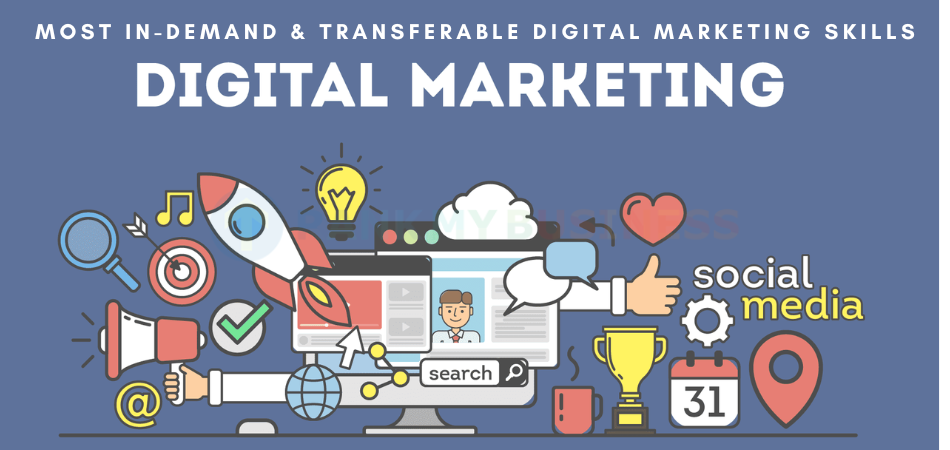
9 Of The Most In-Demand & Transferable Digital Marketing Skills The digital world has completely transformed how businesses connect with customers. From small startups to global enterprises, every organization relies on digital marketing to build its online presence, generate leads, and increase sales. As a result, digital marketing has become one of the fastest-growing career fields, offering exciting opportunities for students, professionals, entrepreneurs, and career changers alike. One of the biggest advantages of learning digital marketing is that the skills you develop are highly transferable. Whether you’re applying for a marketing role, launching your own business, freelancing, or managing a brand, these skills remain valuable across industries. In this blog, we’ll explore nine of the most in-demand and transferable digital marketing skills that employers actively seek and explain why mastering them can give you a competitive edge. 1. Search Engine Optimization (SEO) SEO is the foundation of digital marketing. It focuses on improving a website’s visibility on search engines like Google so potential customers can find it organically. An SEO specialist understands how search engines rank websites and optimizes content, technical elements, and backlinks to improve rankings. Since businesses want consistent organic traffic without relying entirely on paid ads, SEO remains one of the most valuable marketing skills. Key SEO skills include: Keyword research On-page optimization Technical SEO Link building Local SEO SEO analytics Whether you’re managing a company website or running your own business, SEO knowledge helps you attract qualified visitors and build long-term online visibility. 2. Content Marketing Great marketing starts with great content. Content marketing involves creating valuable, informative, and engaging content that attracts and nurtures potential customers. Today’s audiences don’t want constant sales pitches—they want solutions to their problems. That’s why businesses invest heavily in blogs, videos, guides, podcasts, newsletters, and social media content. Successful content marketers know how to: Understand audience needs Write compelling blog posts Create engaging website copy Develop content strategies Repurpose content across platforms Content marketing isn’t just about writing—it’s about building trust, authority, and long-lasting customer relationships. 3. Social Media Marketing Social media platforms have become essential marketing channels for businesses of every size. Brands use platforms like Instagram, Facebook, LinkedIn, X, and YouTube to engage audiences, promote products, and build communities. Social media marketing requires much more than simply posting content. Professionals must understand audience behavior, platform algorithms, content planning, and campaign optimization. Important skills include: Content planning Community management Social media advertising Trend analysis Performance tracking Since social media constantly evolves, professionals who stay updated with new features and trends remain highly valuable. 4. Pay-Per-Click (PPC) Advertising Organic marketing takes time, but paid advertising delivers faster results when executed correctly. PPC advertising enables businesses to appear instantly in front of potential customers through platforms like Google Ads and Meta Ads. A skilled PPC marketer knows how to maximize returns while controlling advertising budgets. Core PPC skills include: Campaign creation Audience targeting Keyword bidding Ad copywriting Conversion tracking Budget optimization These skills are especially valuable because businesses want marketers who can generate measurable revenue through paid campaigns. 5. Email Marketing Despite the rise of social media, email marketing continues to deliver one of the highest returns on investment in digital marketing. Businesses use email campaigns to nurture leads, retain customers, promote offers, and increase repeat purchases. Successful email marketers understand: Audience segmentation Personalization Automation Subject line optimization Email copywriting Performance analysis The ability to create engaging email campaigns is transferable across industries, making it an essential marketing skill. 6. Data Analytics Modern marketing decisions are driven by data rather than guesswork. Companies want professionals who can interpret numbers, identify trends, and optimize campaigns based on real performance. Digital marketers regularly analyze metrics such as: Website traffic Conversion rates Click-through rates Bounce rates Customer acquisition cost Return on ad spend Understanding analytics helps marketers make smarter decisions, improve campaign performance, and demonstrate measurable business impact. 7. Copywriting Copywriting is one of the most underrated yet powerful digital marketing skills. Every advertisement, landing page, email, website, and social media post relies on persuasive writing. Good copy doesn’t just sound attractive—it motivates readers to take action. Effective copywriters know how to: Write compelling headlines Understand customer psychology Highlight product benefits Create persuasive calls-to-action Adapt tone for different audiences Whether you’re creating ads or writing product descriptions, strong copywriting skills can significantly improve marketing performance. 8. Marketing Automation As businesses grow, manually handling every marketing task becomes impossible. Marketing automation helps companies streamline repetitive activities while maintaining personalized customer experiences. Automation tools allow marketers to: Schedule emails Manage customer journeys Score leads Automate follow-ups Track user behavior Improve efficiency Professionals who understand automation platforms can help businesses save time, increase productivity, and scale their marketing efforts more effectively. 9. Communication and Strategic Thinking While technical skills are important, soft skills often determine long-term career success. Great digital marketers communicate ideas clearly, collaborate effectively, solve problems creatively, and think strategically. Strong communication helps marketers: Present campaign results Understand client requirements Coordinate with teams Build customer relationships Create impactful messaging Strategic thinking allows marketers to connect individual campaigns with broader business goals, making them valuable contributors to any organization. Why These Skills Are So Transferable One of the biggest reasons digital marketing continues to grow is its versatility. These skills are useful across industries, including healthcare, education, finance, retail, technology, hospitality, entertainment, and e-commerce. Whether you’re applying for a corporate job, freelancing for international clients, building your own startup, or managing a personal brand, digital marketing skills remain relevant and in demand. Unlike many technical fields where tools quickly become outdated, the core principles of marketing—understanding audiences, creating value, and driving engagement—remain timeless. As technology evolves, marketers simply adapt their strategies using new platforms and tools. How to Build These Skills The best way to learn digital marketing is through a combination of structured education and practical experience. Reading blogs and watching videos can introduce concepts, but applying them in real-world projects builds true expertise. Work on personal websites, run mock campaigns, optimize content for
In the powerful universe of digital marketing, dominating Google Ads is an urgent expertise for organisations meaning to remain ahead in the web-based contest. This cutting-edge course is intended to give a thorough bit by bit guide, engaging advertisers to improve their promotion crusades and accomplish the most extreme return for money invested. Part 1: Understanding Advanced Google Ads Concepts Start by looking at advanced contemplations like Quality Score, Ad Rank, and Auction Insights. Step 1: Quality Score Mastery Gain proficiency with the subtleties of Quality Score, its effect on ad situating, and procedures to further develop it. Find the cooperative energy between catchphrases, ad significance, and presentation page insight. Step 2: Ad Rank Optimization Dive into Ad Rank calculations and reveal procedures to help your ad’s perceivability. Grasp the meaning of offered system, ad expansions, and anticipated active visitor clicking percentage in affecting Ad Rank. Step 3: Auction Insights Analysis Investigate how to use Auction Insights to acquire an upper hand. Distinguish contenders, dissect their methodologies, and adjust your way to deal with beat in the auction. Google Ads Advanced Course Part 2: Advanced Keyword Strategies Move past essential watchword research and investigate advanced methodologies to refine your focusing on and improve crusade execution. Step 4: Long-Tail Keyword Utilisation Find the force of long-tail watchwords and their job in drawing in exceptionally qualified leads. Step 5: Negative Keyword Optimization Become the best at negative keywords to sift through superfluous traffic. Foster techniques to lessen and spend on unfit snaps and further develop generally speaking effort proficiency. Part 3: Ad Copy and Creative Optimization Investigate advanced strategies for making convincing ad duplicates and enhancing creatives to enamor your crowd. Step 6: Ad Copy Split Testing Figure out how to direct successful split tests on ad duplicates. Reveal insights into what reverberates with your crowd and refine your informing for the most extreme effect. Step 7: Responsive Search Ads (RSAs) and Dynamic Search Ads (DSAs) Investigate the capability of RSAs and DSAs to progressively tailor and be happy in view of client questions. Comprehend how to carry out these highlights to further develop ad pertinence and execution. Google AdWords Complete Course in Navi Mumbai Section 1: Getting Started with Google AdWords Step 1: Introduction to Google AdWords: In the clamouring city of Navi Mumbai, where organisations flourish in the digital age, saddling the force of Google AdWords is crucial for progress. This complete course is to give advertisers, business visionaries, and devotees in Navi Mumbai a top to bottom comprehension of Google AdWords, enabling them to explore the complexities of web based advertising. Step 2: Account Setup and Navigation: Start with an intensive outline of the AdWords stage, figuring out its connection point, and the key ideas of internet advertising. Section 2: Building Effective Ad Campaigns Step 3: Keyword Research and Selection Get familiar with the most common way of setting up an AdWords account, exploring the dashboard, and understanding record structure for powerful missions. Step 4: Ad Groups and Campaign Structure Investigate systems for successful catchphrase examination, choice, and understanding the expectation behind client questions to focus on the right crowd. Step 5: Ad Formats and Creative Development Figure out how to arrange missions and ad bunches decisively to further develop significance and amplify the effect of your advertising endeavours. Section 3: Budgeting and Bidding Strategies Step 6: Budgeting Techniques: Jump into different ad arrangements, including text ads, show ads, and responsive ads. Comprehend the specialty of making convincing ad duplicates and visuals to draw in your crowd. Step 7: Bidding Strategies for Success: Find how to set sensible spending plans lined up with your advertising objectives. Figure out how to dispense reserves successfully across lobbies for ideal outcomes. Section 4: Analytics and Performance Measurement Step 8: Conversion Tracking and Analytics Integration: Comprehend what bid adjustments and offer modifiers can mean for your mission execution. Step 9: Monitoring and Optimization: Gain proficiency with the significance of change following and how to coordinate AdWords with Google Examination for extensive execution investigation. Investigate constant checking instruments and procedures to keep a heartbeat on your mission’s presentation. As organisations in Navi Mumbai progressively depend on digital stages, dominating Google AdWords is an essential objective. This total course is intended to furnish people with the information and abilities important to make, make due, and enhance fruitful AdWords crusades. Whether you’re a marketing proficient or an entrepreneur, the insights acquired from this course will engage you to explore the cutthroat internet based scene and accomplish significant outcomes. Select today and make a huge stride towards turning into a capable digital advertiser in Navi Mumbai. Google Ads Advanced Course in Navi Mumbai In the lively business scene of Navi Mumbai, remaining at the front line of digital marketing is fundamental for supported achievement. This advanced Google Ads course is customised for advertisers and business experts in Navi Mumbai who are anxious to hoist their web based advertising ability. Jump into the complexities of Google Ads and open the possibility to make profoundly powerful and designated crusades. Section 1: Advanced Campaign Strategies Step 1: Targeting Precision Investigate advanced focusing on choices, including segment focusing on, custom goal crowds, and in-market crowds. Figure out how to refine your crowd, focusing for most extreme importance. Section 2: Ad Extensions and Enhanced Features Step 2: Ad Extensions Mastery Open the maximum capacity of ad augmentations – site interface, callout, and organised piece expansions. Step 3: Advanced Ad Customizers Investigate the utilisation of ad customizers to progressively tailor ad satisfaction in view of client signals, like area, gadget, and client conduct. Figure out how to make customised ad encounters. Section 3: Smart Bidding Strategies Step 4: Implementing Smart Bidding Comprehend the force of AI with brilliant offering methodologies like Objective CPA, Target ROAS, and Upgraded CPC. Investigate when and how to involve these methodologies for ideal outcomes. Step 5: Auction Time Bidding Adjustments Jump into the subtleties of auction time offering adjustments. Figure out how to make constant bid adjustments
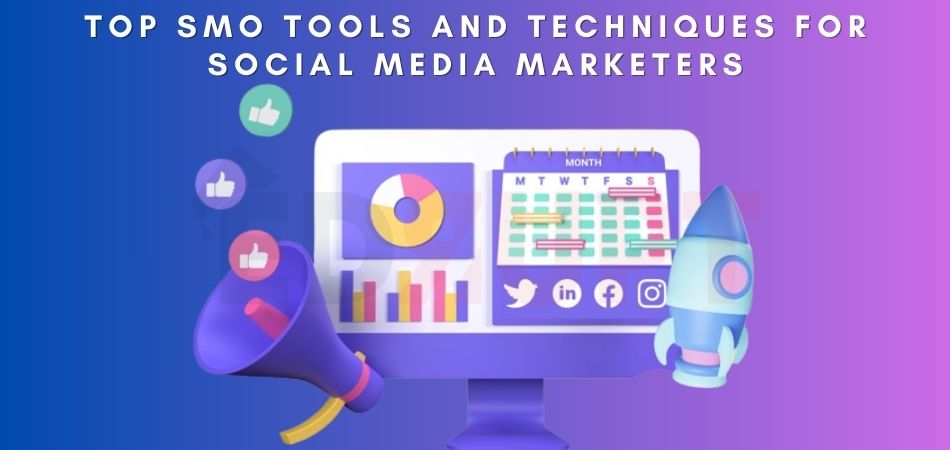
Social Media Optimization(SMO) is the use of various social media platforms to advertise a product or service by a company. But this is just not it! There are a lot of things here. The use of social media platforms has helped businesses reach out to customers and raise awareness of new goods and services. Digital marketing uses well-known platforms including Facebook, X platform (formerly Twitter), Instagram, YouTube, Snapchat, TikTok, and Pinterest. In order to show a brand, product or service’s visibility and reach among the target audience, social media optimization (SMO) tools are used to optimize and promote it on social media platforms. SMO’s main objectives are to improve a brand’s social media presence, interact with the audience, and increase traffic to the website or other targeted platforms. SMO helps a company to place itself on the top of the users search bar, which in turn benefits the company immensely as it leads to the company’s popularity through customer attraction. There are many Social media marketing training available online such as Coursera, Hubspot etc, which will help you to master the skill of Social Media Optimization(SMO). Before knowing about the SMO courses, here is the importance of Social Media Marketing. Importance of Social Media Marketing Enhanced Brand Awareness Social media is a natural area to interact with current consumers and regularly target a new customer population. This implies that your company may experience positive growth as now most of the people use social media platforms in their everyday life. Enables Connectivity Building brand trust is important for connecting with potential customers. In order for your business to grow over time, you need to be able to establish an emotional connection with your clients on social media so that they become your regular customers gradually. Boost Website Traffic Social media posts and advertisements are essential for increasing website traffic. By producing excellent brand-related material, you can influence people to click on it and visit your website, this automatically makes people know about your site. Lead generation Social media marketing is the simplest and most economical technique to generate leads. It provides a simple and uncomplicated approach for clients to express interest in the company without requiring any sales techniques. Boost Sales As social media users grow, it’s important to integrate it as a key component in the sales because it facilitates engaging with and converting new leads into customers. Social networks are crucial for online shopping and product research. Top SMO Tools For Social Media Marketers Now that you know about the importance of Social Media Marketing, here are some of the top SMO tools and techniques for Social Media marketers. Hootsuite It is a popular social media management tool that enables you to plan and publish content on numerous social media networks. Additionally, it offers monitoring and analytics functions. Buffer You can schedule posts, monitor interaction data, and work with team members using this well-liked social media management platform. Various social networking channels are supported by Buffer. Sprout Social Sprout Social is renowned for its modern reporting and social media analytics tools. Additionally, it provides publishing, interaction, and monitoring options. SocialBee A tool that enables you to schedule and organize your social media content. It is renowned for offering various options for scheduling content. Agorapulse Agorapulse is a scheduling and management solution for social media with a strong emphasis on involvement and monitoring. It helps social media marketers to create a site which leads to their company’s presence on the top of users search bar. CoSchedule CoSchedule is a platform for managing social media as well as content marketing. It enables you to manage and arrange your content and social media updates which eventually leads to proper optimization of the site, hence promoting the popularity of the company. Later Although other social media sites are supported, Later is best recognized for its Instagram scheduling features. The visual content calendar is user-friendly. Canva Canva is essentially a graphic design tool, but it’s really helpful for producing attractive graphics and visuals for your social media postings, which is an essential component of SMO. MeetEdgar Focuses on repurposing and sharing material on social media, which can help your SMO efforts and save time. BuzzSumo BuzzSumo is a content research tool that can assist you in finding out what is trending in your market and what content is most popular, which can be helpful for developing interesting social media content. Flcon.io It is a social media management platform that provides a number of tools for reporting, engagement, and content scheduling. Additionally, it offers options for managing audiences and listening. Sendible A social media management platform places a big focus on social media reporting and analytics. Additionally, it provides collaboration and content scheduling options. SocialPilot SocialPilot is renowned for its reasonably priced analytics and social media scheduling solutions. It allows bulk scheduling and supports many social media channels. Tailwind For scheduling on Pinterest and Instagram, many people use it . It offers tools like SmartLoop to make sharing of content more effective. Brandwatch Brandwatch is mainly interested in monitoring and analytics for social media. It aids in keeping track of brand mentions and conversation on social media. Top Social Media Marketing Online Courses Reliablesoft Beginners and intermediate users of social media marketing might benefit from the Reliablesoft Academy Social Media Marketing Course.The program is included in the bundle of the best digital marketing courses. You will learn all you need to know about social media marketing with this course, from using Facebook to drive organic traffic to managing paid social media marketing campaigns. Meta Social Media Marketing One of the most well-liked social media marketing courses is the Meta Social Media Marketing Professional Certificate. You don’t need any previous experience or education to begin because this course is completely beginner-friendly. The lessons are taught by Meta staff, and the American Council on Education (ACE) has approved the certificate. Coursera’s A group of courses in Coursera’s Social Media Marketing Specialization explore the fundamentals of social

In this huge consumerist and capitalist world, selling a product requires smart and attractive marketing strategies. It not only increases the firms brand value but also develops trust based relationship between the company and its customers which is of much more significance in the long run as the consumer gradually becomes a regular customer to the company. Effective Facebook marketing strategies have become paramount for businesses looking to reach a wider audience and achieve their organizational goals. To maximize the impact of their Facebook marketing efforts, professionals should first identify their target audience through thorough market research and data analysis. By understanding the demographics, interests, and behaviors of their potential customers, businesses can tailor their content and advertisements to resonate with the intended audience effectively. Engaging and interactive content that sparks conversation is essential in capturing user attention and driving organic engagement. Moreover, utilizing Facebook’s advertising platform allows professionals to precisely target specific demographics, interests, behaviors or locations further enhancing the effectiveness of their campaigns. What Are Marketing Strategies? In simpler words, strategies which involve successful branding of products or services by a company to reach out to as many customers for enhancing their recognition and increasing profit are called marketing strategies. There are various marketing strategies used by different companies to sell their product, some prominent strategies involve – loyalty programs, word of mouth marketing, digital marketing, relationship marketing etc. The next question which might have come to your mind would be, how to choose which marketing strategy to follow? Here are some points which will help you choose the best marketing strategy for your company: Identify Your Target Audience: When you are aware of who your potential customers are then it becomes easy to sell your products as you will focus your attention on them and not waste time on others who do not fit on your product’s frame. You can recognize your customers through the use of SEO and know their preferences, so as to recommend to them what they are looking for. Know Your Own Marketing Goals: You should be well aware of your own marketing goals which need to be achieved in a certain period of time in terms of number of products sold, number of new customers added, achieving the desired goal of profit etc. Evaluation of Marketing Strategy: After you have employed a marketing strategy, you need to track its effectiveness from time to time. If your current marketing strategy does not yield desirable results for your company then you need to initiate a different strategy to sell your product or service. Exploring Marketing Strategy Through Social Media Platform (Facebook) In this digital age where almost every adult person has a social media account of Facebook, Instagram, Twitter etc, various companies have found opportunities to advertise their products/services through these platforms. It is an effective marketing strategy as the companies can reach a larger audience through a single post of their product online. It not only saves their costs and time by avoiding the use of hoardings but also let them amplify their sales. Here in this article we will have a look at some of the effective Facebook marketing strategies particularly dealing with the region of Mumbai. One of the first social media networks that is still incredibly popular today is Facebook. Additionally, they have added a number of features over the past few years that have made it profitable for companies and marketers. Though, making your product stand out has become extremely challenging as a large number of businesses use Facebook to sell their goods and services. But don’t panic; we are here to assist you in overcoming that difficulty. Here are some of the best strategies to help you create an effective Facebook marketing strategy for beating your rivals. Create And Optimize Your Facebook Business Page: All you have to do to create a Facebook business page is – Click the “Create” button in the top right corner of your Facebook page Then choose “page” from the options there. Select the “business or brand” page from the list of alternatives, and then follow the on-screen directions to build your page. You can also name your page and choose the type of business you run. Make sure to choose the suitable company category and a name that accurately describes your operation and also don’t forget to include a suitable bio, a profile photo, and your website link after creating the page. Decide On Your Tone And Brand Voice: Facebook marketing services in Mumbai make use of different tones of voices to brand their product. For instance they use humorous, serious or casual tones for different products to be sold. Use every feature of Facebook: On Facebook, you have a variety of content possibilities with which you can experiment. Each has a variety of uses, so you should mix your information well rather than only posting on Facebook. Video Posts Videos are the most interesting form of material, therefore you should surely include plenty of them in your mix. This is particularly valid for native videos, which are videos that are directly posted to Facebook as opposed to being shared from another website. Facebook Stories This new function introduced by Facebook is similar to Instagram Stories. On the right sidebar of Facebook when it is opened on a desktop, you will see the Facebook Stories of your friends and the pages you follow. These stories receive more visibility because they are prominently shown than posts that are displayed in a user’s feed and can be seen if you scroll down. As a result, you can use this format to advertise your posts, giveaways, deals, and anything else you want to draw attention to among your followers. Facebook Watch This is a different, less well-known feature of Facebook that gives you a place to share your promotional films. Because this platform is solely for videos, you should take advantage of it because your chances of getting your video seen here are higher
- 1
- 2
